Institute of Medical Sciences
VR surgical simulation platform training 200+ orthopedic residents annually.
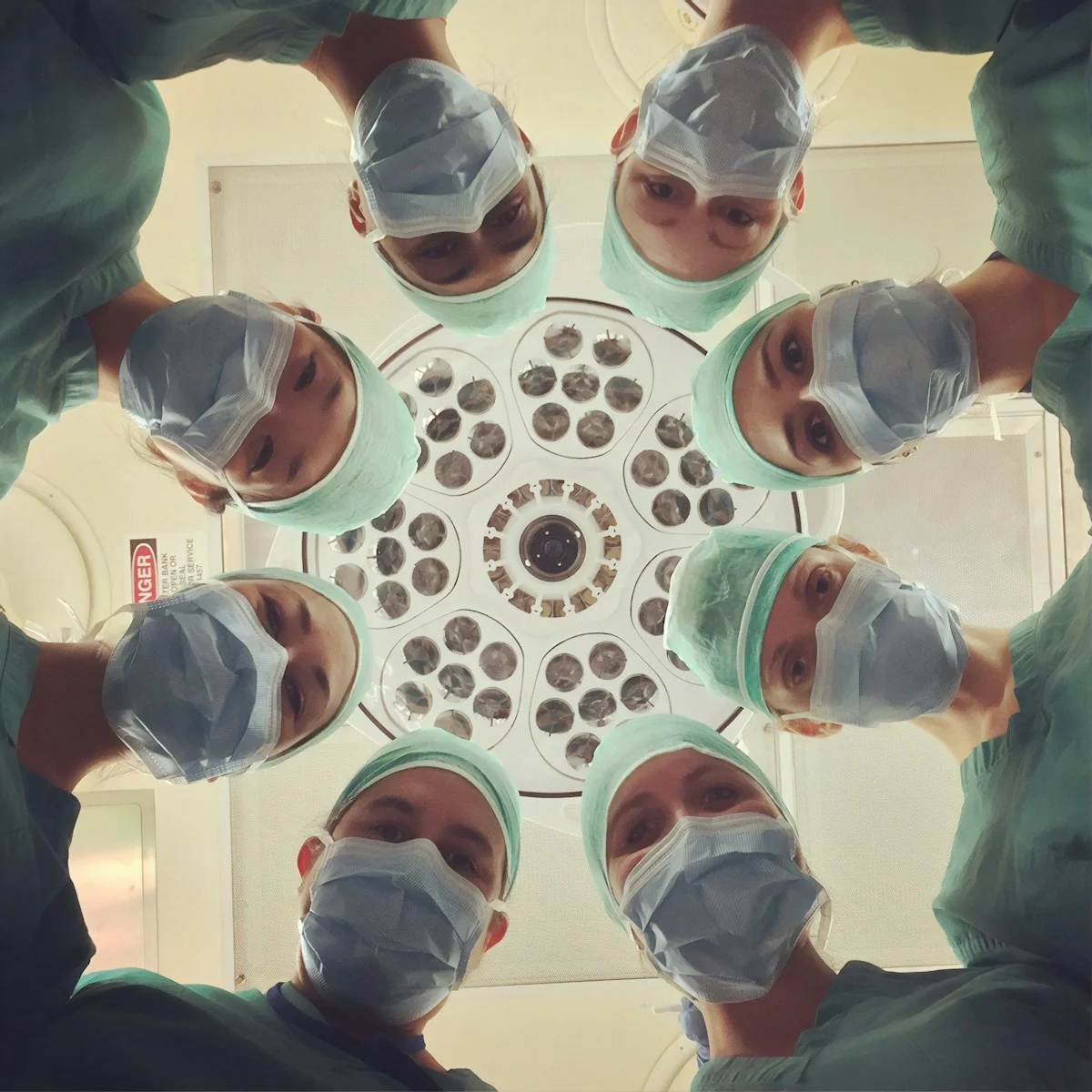
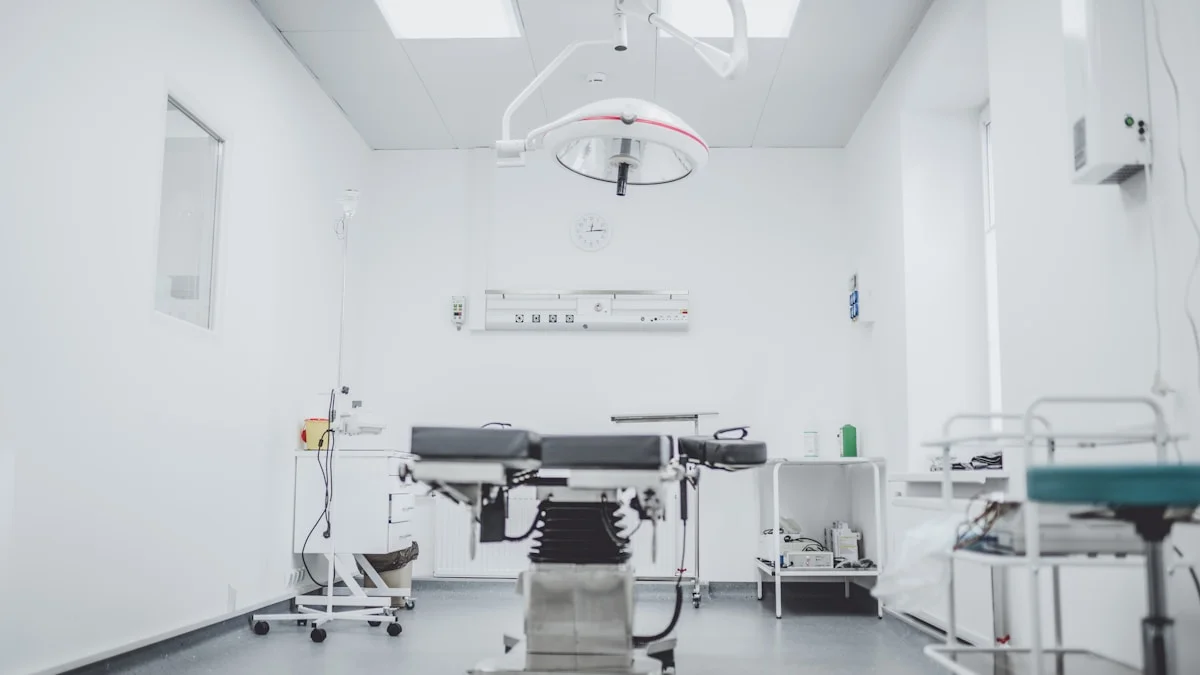
All case studiesThe Institute of Medical Sciences is one of India's premier teaching hospitals, training over 200 orthopedic surgery residents annually across fellowship and residency programs. Surgical training traditionally relied on cadaver labs (limited availability and high cost), operating theatre observation (passive learning), and supervised live procedures (high stakes, limited repetition). Competency assessment was largely subjective — based on senior surgeon observation rather than quantifiable metrics.
Cydez developed a VR surgical simulation platform covering 4 orthopedic procedures: knee arthroscopy, total hip replacement approach, distal radius fracture fixation, and ACL reconstruction. Each simulation features anatomically accurate 3D models built from anonymised CT and MRI scan data, with realistic tissue behaviour, bone density variations, and instrument physics.
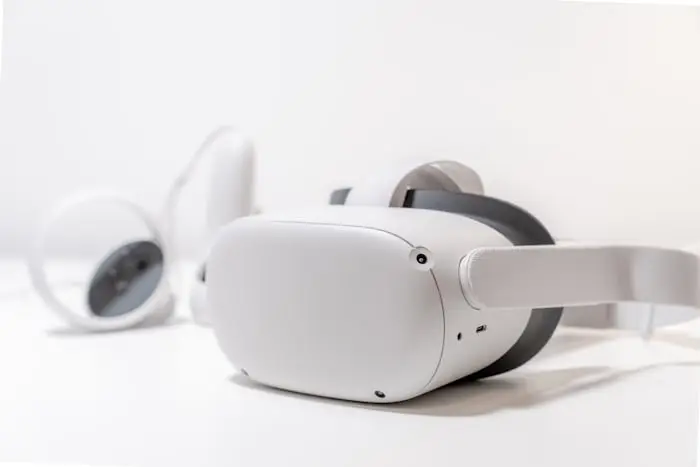
The platform runs on Meta Quest 3 headsets for standalone training stations and HoloLens 2 for mixed-reality guided procedures where holographic overlays assist during actual surgeries. Haptic feedback controllers simulate instrument resistance, tissue tension, and bone contact. Every action is logged — instrument path accuracy, time per step, force application, and error count — generating objective competency scores that faculty use for assessment and certification decisions.
- 3D anatomical modelling from anonymised CT/MRI scan data
- VR interaction design with haptic feedback controller mapping
- 4 orthopedic procedure simulations with step-by-step guidance
- Performance scoring engine with objective competency metrics
- Meta Quest and HoloLens 2 deployment
- Faculty assessment dashboard with cohort analytics
A leading medical institute needed to scale surgical training beyond cadaver labs and operating theatre observation. Residents had limited hands-on practice before performing real procedures, and competency assessment was subjective.
Cydez developed VR surgical simulation modules for orthopedic procedures — knee arthroscopy, hip replacement approach, and fracture fixation — on Meta Quest and HoloLens 2. Haptic feedback, anatomically accurate 3D models, and step-by-step guidance with scoring metrics provide objective competency assessment.
How we delivered this project
Asset Survey
Collaborated with orthopedic faculty to define procedure steps, critical decision points, and common errors for all 4 simulations. Obtained anonymised CT/MRI datasets for anatomical modelling. Benchmarked existing competency assessment criteria for digital translation.
3D Production
Created anatomically accurate 3D models of knee, hip, wrist, and knee joint structures from medical imaging data using Blender and ZBrush. Modelled surgical instruments with accurate dimensions and physics properties. Designed tissue deformation and bone interaction behaviours.
Development & Integration
Built VR simulations in Unity with Meta Quest SDK and HoloLens 2 MRTK integration. Implemented haptic feedback profiles for each instrument-tissue interaction. Developed the performance scoring engine and React-based faculty dashboard with cohort analytics and longitudinal tracking.
Testing & Deployment
Validated anatomical accuracy and procedure fidelity with 12 senior orthopedic surgeons over 6 weeks. Calibrated scoring thresholds against expert performance benchmarks. Deployed 20 Meta Quest training stations and 5 HoloLens 2 units across the simulation lab and operating theatres.
What we built
Anatomically Accurate Simulations
4 orthopedic procedures built from real CT/MRI data with realistic tissue behaviour, bone density variations, and instrument physics. Every anatomical landmark accurately positioned for surgical training.
Haptic Feedback Integration
Controllers simulate instrument resistance, tissue tension, and bone contact. Residents feel the difference between cortical and cancellous bone, cartilage surfaces, and soft tissue layers.
Objective Competency Scoring
Every action logged — instrument path accuracy, time per step, force application, error count. Generates quantifiable competency scores replacing subjective assessment.
Step-by-Step Guided Mode
New residents follow holographic step markers and voice guidance through each procedure. Graduated difficulty levels remove guidance as competency improves.
Mixed Reality Operating Support
HoloLens 2 overlays holographic guidance during real procedures — critical anatomy highlighting, instrument trajectory guides, and reference imaging without breaking sterile field.
Faculty Assessment Dashboard
React-based dashboard showing individual resident scores, cohort performance distribution, improvement trends, and certification readiness indicators across all 4 procedures.
Measurable outcomes
- 200+ residents trained annually across 4 procedures
- 60% improvement in procedural confidence scores
- Competency assessment time reduced from 2 hours to 30 minutes
- Zero patient safety incidents during first-year resident procedures
Built with
Want similar results?
Tell us about your project and we'll explore how Cydez can deliver comparable outcomes for your organisation.
Start a Conversation